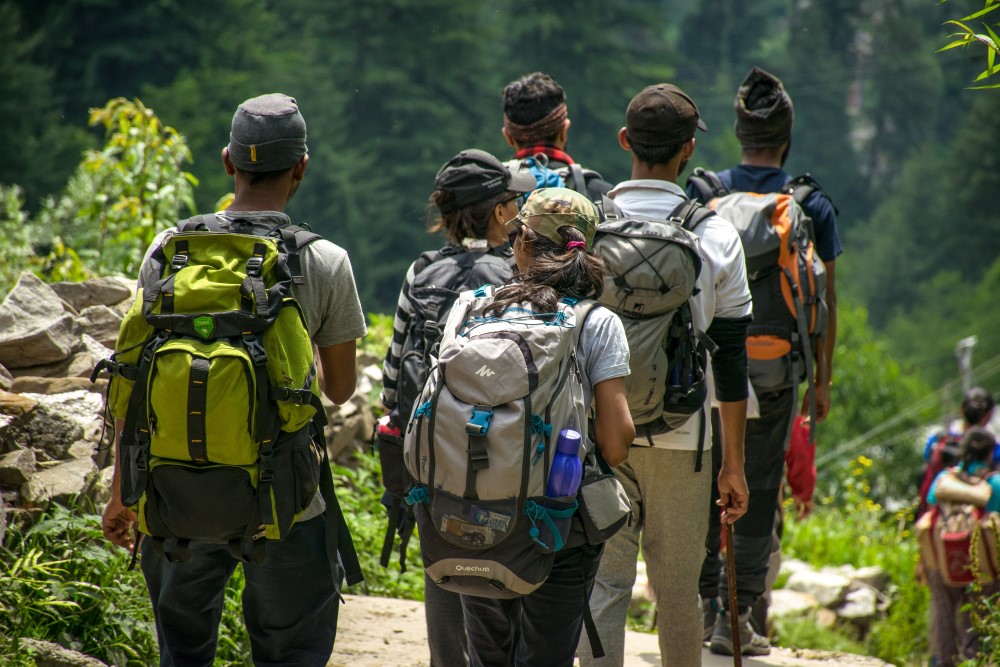
Credits to Guduru Ajay bhargav
Hiking is a great way to get exercise, spend time in nature, and explore new places. However, it’s important to be prepared and have the right gear when hitting the trails. Here are some hiking essentials that every hiker should have:
- Backpack
A good backpack is essential for carrying all of your gear on the trail. Look for a backpack with a comfortable fit and a capacity that can accommodate all of your essentials. Consider features like hydration compatibility, external pockets for easy access to gear, and adjustable straps for a customized fit. - Water
Staying hydrated is essential when hiking, so bring plenty of water with you. Consider a hydration bladder that can be easily accessed through your backpack, or bring a water bottle that can be refilled at water sources along the trail. - Navigation
A map and compass, or a GPS device, are essential for navigating on the trail. Make sure you know how to use these tools before hitting the trail, and bring extra batteries or a charger for your GPS device. - First Aid Kit
Accidents can happen on the trail, so it’s important to have a first aid kit with you. Include items like bandages, gauze, antiseptic wipes, pain relievers, and insect repellent. - Sun Protection
Protecting your skin and eyes from the sun is important when hiking. Bring a hat, sunglasses, and sunscreen with an SPF of at least 30. - Clothing
Wear comfortable, moisture-wicking clothing that’s appropriate for the weather and terrain. Consider wearing layers that can be easily added or removed as needed. Bring a rain jacket or poncho in case of inclement weather. - Footwear
Wear sturdy, comfortable hiking boots or shoes that are appropriate for the terrain. Make sure your footwear is broken in before hitting the trail to prevent blisters and other foot problems. - Food
Pack plenty of snacks and high-energy foods to keep you fueled on the trail. Consider bringing items like energy bars, trail mix, and fresh fruit. - Emergency Shelter
In case of an emergency, it’s important to have a shelter to protect you from the elements. Bring a lightweight emergency shelter like a bivy sack or space blanket. - Emergency Communication
A whistle, signaling mirror, or other form of emergency communication can be helpful in case of an emergency. Make sure someone knows your hiking plans and expected return time. - Headlamp/Flashlight
In case of unexpected delays or if your hike extends into the evening, it’s important to have a reliable headlamp or flashlight. Make sure to bring extra batteries or a backup light source. - Multi-Tool
A multi-tool can be helpful for a variety of tasks on the trail, including repairing gear, opening cans or bottles, and cutting through rope or other materials. - Insect Repellent
Insect repellent can be a lifesaver on the trail, especially in areas with high mosquito or tick populations. Look for a repellent with DEET or picaridin for maximum effectiveness. - Trekking Poles
Trekking poles can help reduce the impact on your joints and improve balance on uneven terrain. Look for poles with adjustable height and comfortable grips. - Emergency Fire Starter
In case of emergency or unexpected delays, having an emergency fire starter can be helpful for warmth, cooking, and signaling for help. Bring matches, a lighter, or a fire starter like a magnesium rod. - Personal Locator Beacon (PLB)
A PLB is a small, handheld device that can be used to send a distress signal to emergency services in case of an emergency. Consider bringing a PLB if you’ll be hiking in remote or wilderness areas. - Bear Spray
If you’ll be hiking in areas with bear populations, bear spray can be an essential safety tool. Make sure to read up on proper usage and keep it easily accessible in case of an encounter. - Camera
Don’t forget to bring a camera to capture memories of your hike and the beautiful scenery along the way. Consider a lightweight, durable camera that’s easy to access in your backpack. - Trekking Maps/Guides
If you’ll be hiking in an unfamiliar area, bringing a trekking map or guidebook can be helpful for navigation, finding water sources, and identifying points of interest. - Cash/Identification
Bring some cash and a form of identification in case of emergencies, unexpected expenses, or for purchasing food or supplies along the way. Consider keeping these items in a waterproof container to protect them from the elements.
What Do I Need Aside from the Proper Gear?
In addition to having the right gear, hikers should also possess certain basic skills to ensure a safe and enjoyable hiking experience. Here are some essential skills to develop before hitting the trails: - Navigation
Having a basic understanding of navigation is essential when hiking, especially if you’ll be hiking in unfamiliar or remote areas. - First Aid
Injuries and accidents can happen on the trail, so having basic first aid skills can be crucial. Learn how to treat common hiking injuries like blisters, cuts, and sprains, as well as more serious injuries like fractures or hypothermia. Consider taking a wilderness first aid course to learn more advanced skills. - Leave No Trace
Respecting the environment and minimizing impact on the trail is important for the health and sustainability of the natural world. Learn about Leave No Trace principles, which include packing out all trash and waste, camping and hiking on durable surfaces, and respecting wildlife. - Fitness
Hiking can be physically demanding, so having a basic level of fitness is important. Work on building cardiovascular endurance and leg strength through exercises like hiking, running, biking, and strength training. - Weather Awareness
Being aware of weather conditions and how they can affect hiking conditions is essential for safety on the trail. Learn how to read weather forecasts, how to recognize signs of changing weather, and how to prepare for unexpected weather events like lightning storms or flash floods.
Hiking can be a fun and rewarding activity, but it’s important to be prepared and have the right gear.